
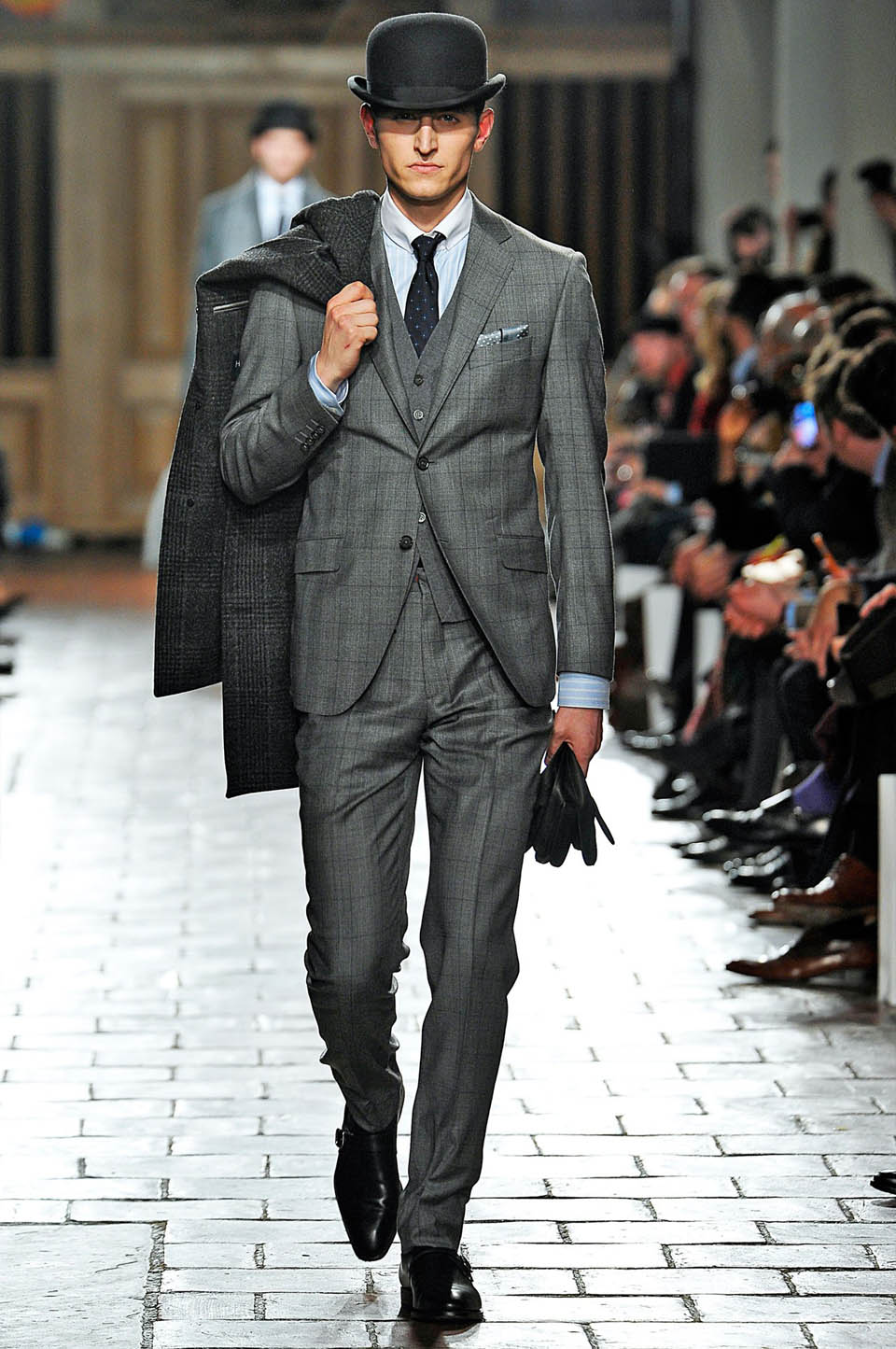
In some ways, writing about British style is easy, since the United Kingdom is the place of origin for tailoring as we know it and so much has already been said about it. Paradoxically, this also makes it exceedingly difficult to encapsulate in a single article what British classic menswear is like. And, actually, if you Google “British Men’s Style” or something similar, it’s hard to find any sort of definitive guide to what it looks like. But I’m up for the challenge, and for this installment of our style around the world, we go back to the very roots to pin down what British men’s classic style looks like.
Sticking to the Rules

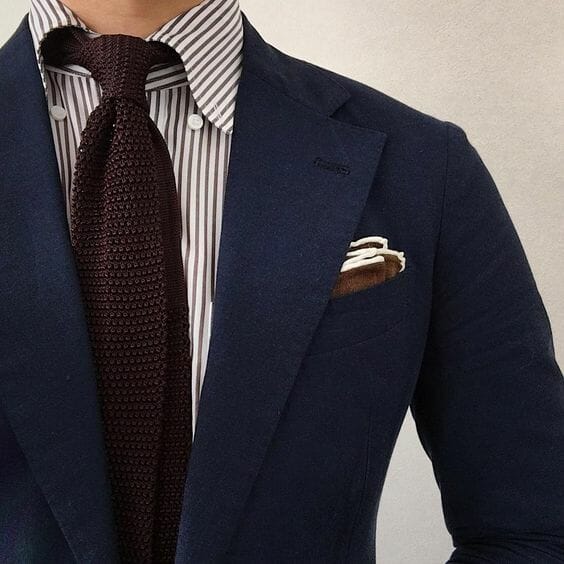
When you do the aforementioned search for “British Men’s Style” online, what you will find are various rules that have also been addressed in numerous articles from The Gentleman’s Gazette, These range from the basics of how many buttons to close on your jacket to how long a tie should be to how much shirt cuff to show, Such guidelines and rules, as well as the strict adherence to them, are typical of British style. This is part and parcel of the same cultural ethos responsible for British politeness and rules of etiquette as well as the continued existence of a class system. If “Manners maketh man” according to Sting’s “Englishman in New York,” we can say that manners also influenceth the rules of dress. So, whenever you see people objecting to some violation of style rules in an online comment section, note that you are witnessing the direct legacy of the British emphasis on correct dress. Ultimately, keeping to the style rules translates to a greater formality. If you need to remain correct and proper, you won’t leave the back blade of your necktie hanging lower than the front or leave your button-down collar unbuttoned; these examples of sprezzatura aren’t classic British style.
Greater Structure in Clothes
As discussed in our comparison of British and Italian suit styles, tailoring that originates in the UK traditionally has more structure. This means that shoulders on suit jackets tend to have padding that shapes them artificially as opposed to a natural shoulder. This sort of underlying structure even extends to the dress shirts you’d find for sale on Jermyn Street or Savile Row in London, which feature collars that are stiffer and more on the firm side rather than softly rolling. To paraphrase Spiderman, with greater structure comes greater formality (see above). Structuring is also reflected in skillful layering, often with a waistcoat, and you will be more likely to see a three-piece suit or an “odd” (unmatching) vest. This is “structured” because the wearer has to build the outfit and coordinate the patterns and colors across layers, for example a solid sport coat with a patterned vest and then a solid tie, all in complementary tones.

Attention to the Shirt Collar
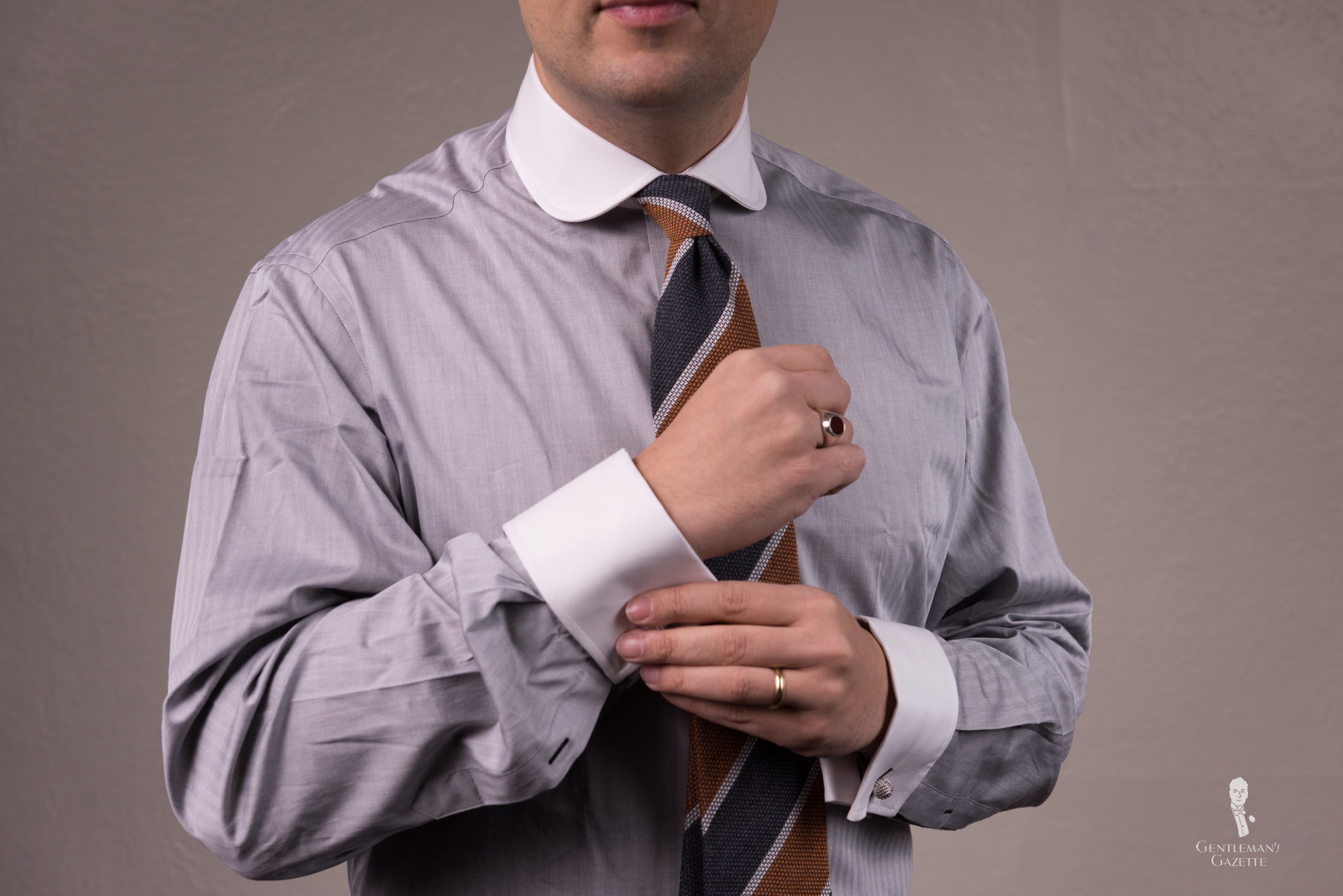
When it comes to shirts, it’s really the collar that defines the garment, and British style admits a wide variety of shirt collars from the classic English spread to the contrast trim collar, which originated from the need to remove and replace dirty portions of the shirt in the days before super-efficient laundry machines and potent detergents. You may also be more likely to find vintage styles like the tab collar and the hardware that goes with it–collar pins and bars–being worn. Even the button-down collar (with buttons fastened, please) originated in the UK despite its incredible success among proponents of American Ivy style.
Dressing for the Weather
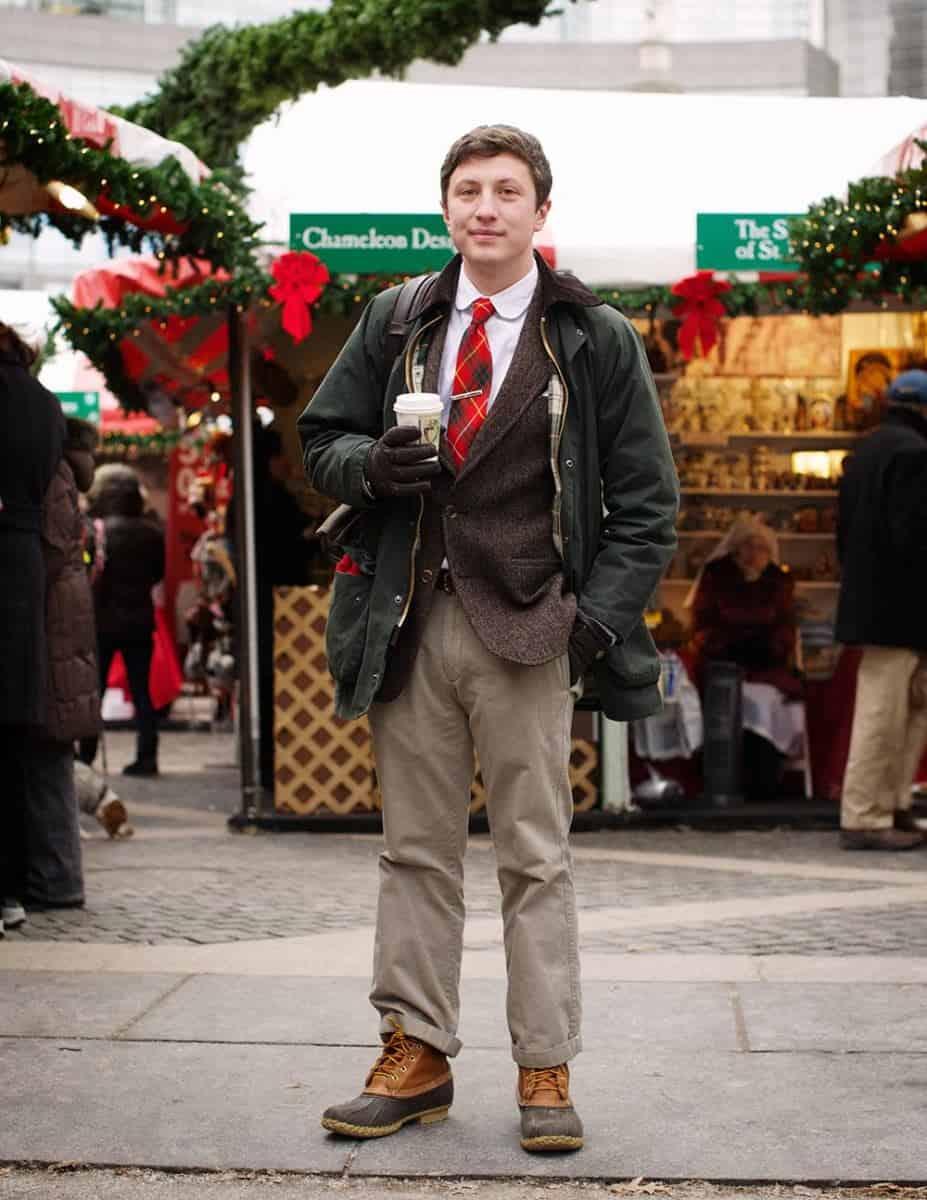
Of course, British weather is notorious for one thing: rain. And, while Scandinavian men may know how to dress for long winters, men in the UK are adept at looking good despite constantly wet weather. This means you’re likely to encounter more full-length umbrellas; waxed cotton Barbour jackets (even worn on top of suits); head gear, such as flat caps; and Wellie boots. I will not address the attractiveness of wearing Wellies with suits, but part of classic British style is its practicality, which can demand the sacrifice of style.
A Separation of City and Country Clothes
What one wears in wet weather can depend on location though, with umbrellas carried in urban settings and Wellies reserved for the country, with Barbour jackets straddling both domains. This speaks to the distinction between urban and rural dress that continues to be a prominent part of British classic style. As another example, in North American cities, you can wear brown almost anywhere; not so in London where a suit or sport coat combination containing any brown tones will make you look like a rube.
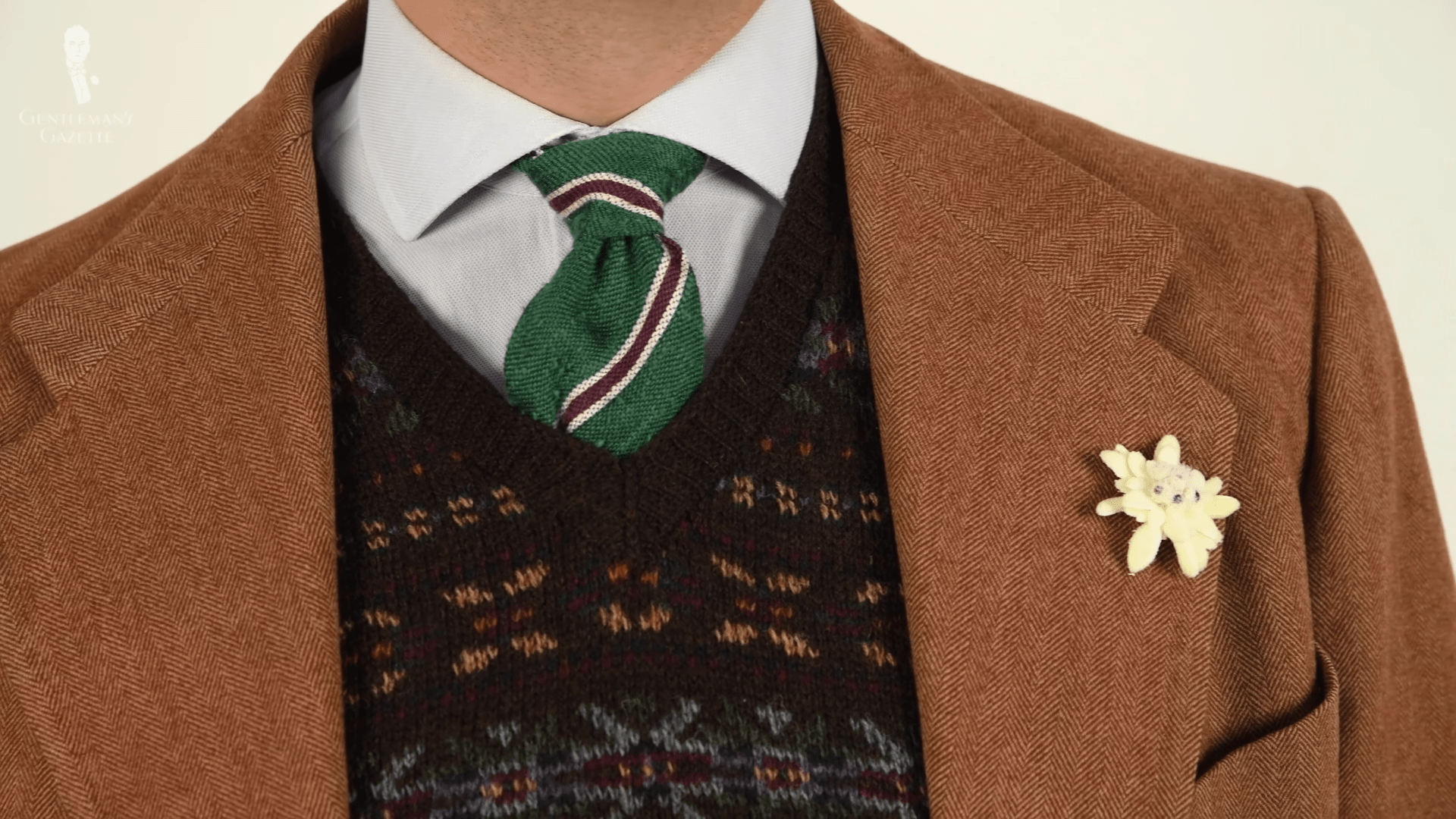
I experienced this realization firsthand on a recent trip during which I found myself in the vicinity of the Royal Exchange. As I grabbed lunch from a food truck while all the local employees were out doing the same, I noticed that while I wore a brown flannel sport coat and rust pants, everyone else in tailoring–men and women alike–were clad in navy or grey. I stuck out like a sore thumb and felt completely self conscious. Of course, I knew of the “no brown in town” rule beforehand, but I had also been reassured that it was dated not so! Brits who dress in a classic style still maintain the city/country divide reflected in their choice of clothes. Conversely, when I leave London and drive out to the country, navy clothes and black shoes would look alien. Although you’re more likely to see nylon windbreakers and hiking shoes when walking the Peak District, those wearing tailoring may be attired in tweed, often with a windowpane, houndstooth or plaid pattern, like the classic Prince of Wales or glen check. These will also feature tones of green, brown and tan that emulate the colors of nature. Each environment has its own distinct stylistic norms and the two traditionally do not intersect.

Embracing Color and Pattern
When we think about bright colors in menswear, we usually picture Neapolitan style with bright reds and audacious plaids worn by Southern Italians. However, it’s worth noting that Neapolitan style is actually very strongly grounded in British tradition, and gents in the UK freely embrace color and pattern more than one might imagine despite a reputation for conservatism. That’s why the founder of the quintessential Neapolitan tailoring firm Rubinacci, Gennaro Rubinacci, named his original location “London House”: as an homage to the roots of the style.

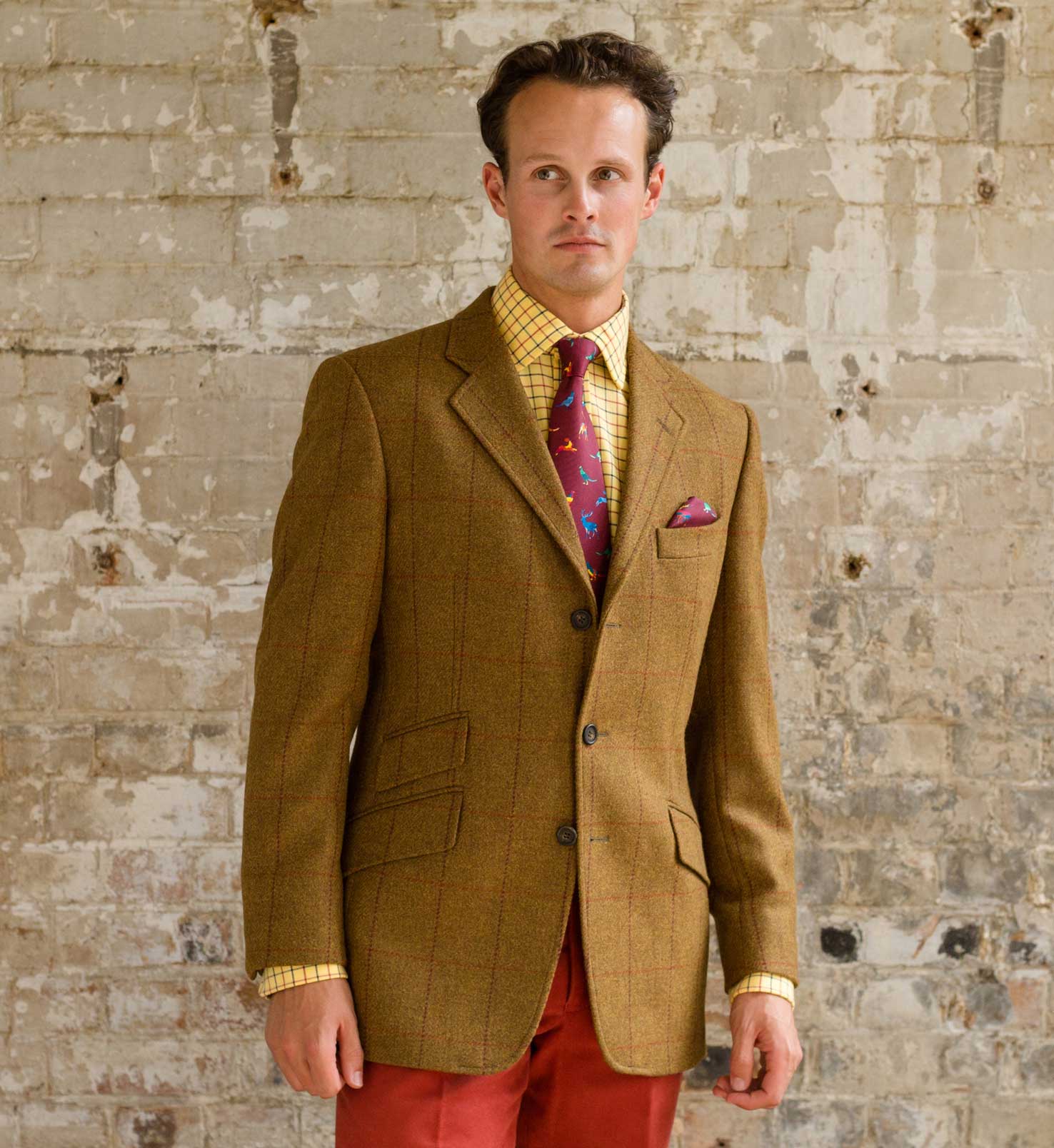
Indeed, British men will readily wear pink or lilac dress shirts to the office whereas these choices are somewhat rare in the US and Canada. Even in the most formal of occasions requiring morning wear, a bright blue cornflower or buff yellow waistcoat is common. In country clothes, you’ll find orange moleskin trousers worn with richly patterned odd vests, pink ties with repeated pheasants on them, tattersall shirts in two different grid colors, and tweed gun club jackets with three. All of these worn by older gents who are the epitome of upholding traditional British style. So, it’s high time we set aside stereotypes of stodginess.
A Greater Chance of Suspenders (or Braces)
Though belts are still the most popular means of holding up one’s pants in the United Kingdom like anywhere else in the Western world, braces–the British term for North American suspenders–are more likely to be worn there as part of a classic style. This could very well be because one of the earliest makers of suspenders, Albert Thurston, began there in the 1820s and is still operating today. Suspenders have a greater formality than belts and are more traditional, which makes them suitable for British classic style.

Loyalty to Heritage Brands
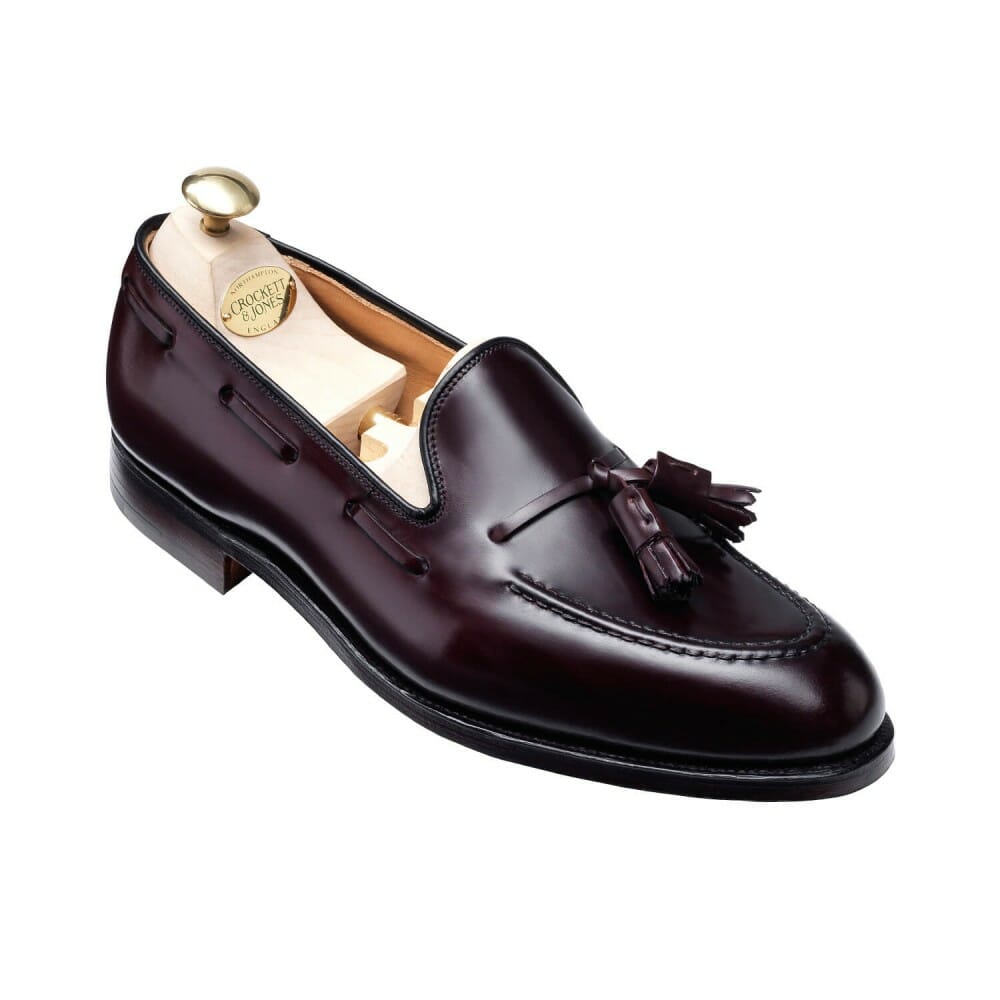
Speaking of tradition, given that tailoring originated in Great Britain, it’s not surprising that Brits are proud of the heritage brands that are still in operation today and wear their products whether a Burberry trench coat or shoes from Crockett & Jones or Edward Green. Indeed, many such brands have received Royal Warrants for supplying the Royal household with products for a number of years. These Warrants speak to the high quality of the craftsmanship available to the British gentleman who follows the advice of “buy less but buy better.”
Conclusion
In these days where the fusion of various international styles has reshaped classic menswear into a hybrid form, it difficult to separate out the influences of a particular national style. Given its status in the history of tailoring, British style has specifically permeated the classic menswear of numerous countries. With the information in this article, hopefully, you will be able to spot those elements that are quintessentially British.
from Gentleman's Gazette https://ift.tt/35fMluL


0 Comments